
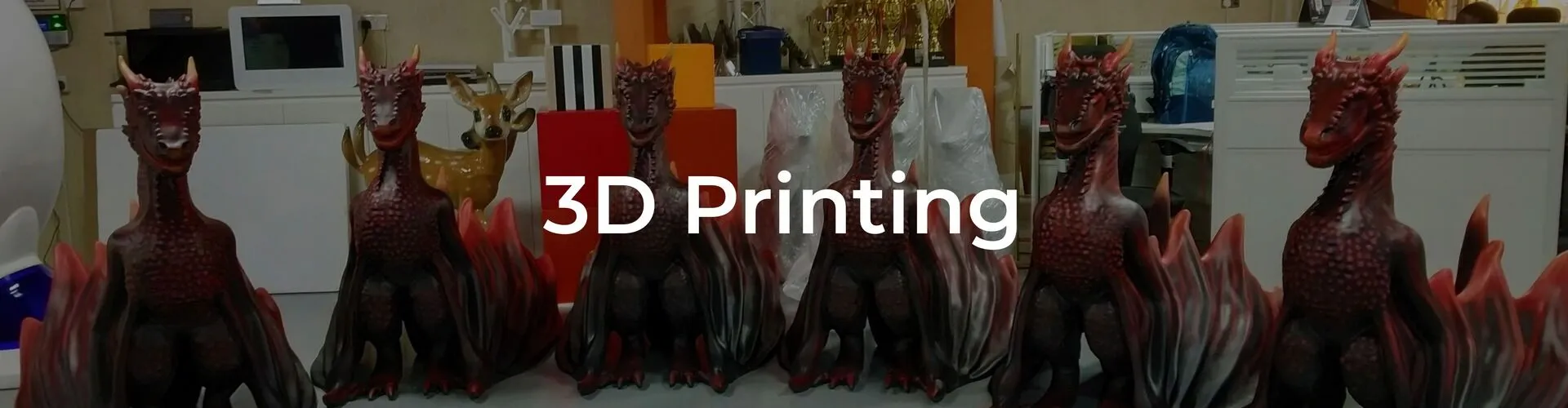
Not all 3D printers produce the same results. FDM and resin printing use very different technologies, which affects everything from surface finish and detail to material options, speed, durability, and post-processing requirements.
The differences become especially important when selecting a printing method for a specific application, making 3D printing Saudi a field where the right technology can have a major impact on the final result.
How FDM 3d printing works
Fused Deposition Modeling (FDM) uses thermoplastic filament to produce solid objects layer by layer. The printer heats the filament and pushes it through a nozzle, which deposits melted material onto a build plate. Each layer cools and bonds with the previous one until the object takes shape. PLA, ABS, and PETG remain popular filament choices because they offer different strengths, flexibility, and heat resistance.
FDM printers suit functional prototypes, household accessories, mechanical components, and larger models. Their straightforward operation and affordable materials also make them popular among beginners and experienced makers.
How resin 3d printing works
Resin 3D printing uses liquid photopolymer resin and ultraviolet light to produce detailed objects. The printer exposes selected areas of resin to light, which hardens the material into precise layers. This process delivers smooth surfaces, fine textures, and intricate details. Resin printers suit miniature figures, jewelry prototypes, dental models, and decorative objects.
However, users must handle uncured resin carefully and clean finished prints with suitable solutions. Most resin models also require additional UV curing to achieve their intended strength and durability.
Print quality and level of detail
FDM and resin printers differ considerably in their surface quality. FDM models usually display visible layer lines, particularly on curved surfaces and intricate designs. Users can reduce these marks through finer layer settings and post-processing.
Resin printers produce smoother surfaces and capture tiny details with greater precision. Their high resolution makes them suitable for miniature objects, detailed sculptures, and small components. However, FDM remains practical for larger parts where structural strength matters more than fine surface detail.
Cost and maintenance differences
FDM printers generally offer lower operating costs because their filaments are affordable and their maintenance routines remain relatively simple. Resin printers involve additional expenses for liquid resin, protective equipment, cleaning supplies, and curing tools. They also demand regular cleaning to maintain consistent performance.
FDM machines provide an economical option for frequent, large-scale printing, while resin machines suit projects that justify their additional material and maintenance expenses.